
Understanding how to file Chapter 7 bankruptcy in Plano, TX, is an important first step for those seeking relief from overwhelming debt and persistent collection efforts. Navigating the complexities of bankruptcy, with its stringent legal demands, court formalities, and meticulous financial reporting, can feel overwhelming.
By learning more about the process, people can make more informed decisions and understand what to expect as their case progresses.
At Steele Law Firm, PLLC, we guide individuals and families through the bankruptcy process while helping them pursue meaningful debt relief. The firm was founded by attorney Lindsay D. Steele, who has devoted her practice primarily to consumer bankruptcy.
Lindsay D. Steele is a former President of the Bankruptcy Law Section of the Tarrant County Bar Association. We offer individualized guidance through the entirety of your Chapter 7 and Chapter 13 cases and assist in making informed decisions about your financial future.
Preparing for a Chapter 7 bankruptcy filing will usually start with gathering specific financial information. This might include recent tax returns, pay stubs, bank statements, monthly bills, loan information, and records of assets and liabilities. All of this information is then used to fill out the bankruptcy schedules and other forms filed with the court.
Disclosing accurate financial information is an important aspect of the bankruptcy process, and incomplete or incorrect information may cause delays or other problems. Getting financial records in order ahead of time can also help an individual assess their financial situation.
Federal bankruptcy law generally requires individuals to complete an approved credit counseling course before filing a Chapter 7 bankruptcy case. Credit counseling provides information about budgeting, debt management, and alternatives to bankruptcy. Credit counseling is usually completed with an approved provider. It can often be completed online or via telephone.
Once it is completed, the individual receives a certificate that is normally required as part of a bankruptcy filing. Failure to meet this requirement may result in dismissal of the bankruptcy case or prevent the case from moving forward. Knowing this can prevent unnecessary time delays in the bankruptcy process.
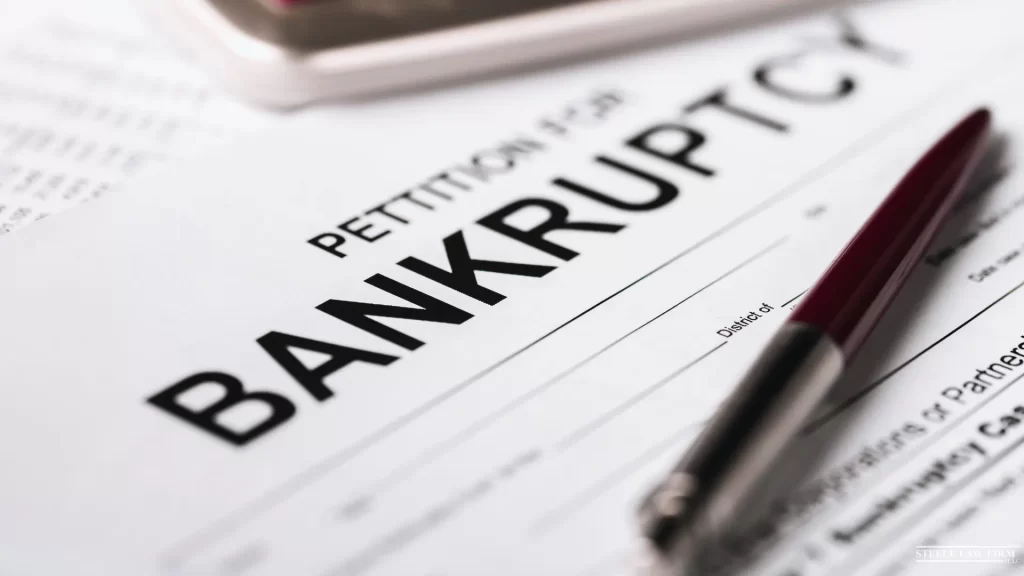
The process of starting a Chapter 7 bankruptcy case begins when a petition and its accompanying paperwork are filed with the bankruptcy court. The documents filed typically include information about the debtor's income, expenses, assets, debts, financial transactions, and other matters.
Debtors must provide information about their financial situation under oath, which is why accuracy is of special concern. Filing the petition generally triggers the automatic stay, which may immediately limit many collection efforts by creditors.
Due to the length and specific nature of the bankruptcy forms, it is usually necessary to complete the forms in advance. The completion and filing of the necessary documents are important steps in the progression of a bankruptcy case.
In most cases, after the filing of a Chapter 7 case, individuals are required to attend a meeting of creditors, also called a 341 meeting. At this meeting, the bankruptcy trustee may pose questions about the information submitted in the bankruptcy petition and schedules. Creditors may attend, but they rarely do so in standard consumer cases.
Debtors are also required to take a debtor education course prior to entry of discharge. After all applicable requirements are met and the case proceeds uneventfully, the bankruptcy court may enter a discharge order eliminating qualifying debts.
A: Generally, when you file a bankruptcy petition, an automatic stay goes into effect. An automatic stay is an injunction that stops creditors from collection actions while your bankruptcy case is active.
The automatic stay can stop collection calls, legal claims, wage garnishments, repossessions, and many other creditor collection efforts under 11 U.S.C. § 362. The stay may apply differently, depending on the facts of your case or whether you have filed for bankruptcy before.
A: Chapter 7 bankruptcy is one of the most common types of consumer bankruptcy. There were 320,571 cases filed during the 12-month period ending June 30, 2025, according to the Administrative Office of the U.S. Courts. People file for Chapter 7 for numerous reasons, from medical debt to credit card balances to other challenges. The number of Chapter 7 bankruptcies filed shows that bankruptcy is a common option for consumers to get relief from debt.
A: Credit card balances remain a major contributor to consumer debt in the United States. The Federal Reserve Bank of New York reported that U.S. consumers owed $1.233 trillion in credit card debt as of the third quarter of 2025. High-interest revolving debt can be especially hard to manage, especially when consumers juggle multiple financial obligations. Knowing the extent of consumer debt may help individuals assess their options for dealing with financial difficulties.
A: Many bankruptcy cases for Plano residents are filed in the United States Bankruptcy Court for the Eastern District of Texas, Plano Division. In some cases, an individual may be required to appear in court or at a meeting scheduled by the court, depending on the facts of a case.
The United States Bankruptcy Court for the Eastern District of Texas, Plano Division, is located at 660 North Central Expressway, Suite 300B, Plano, Texas 75074.
Understanding the Chapter 7 bankruptcy process can help individuals prepare for what lies ahead and reduce the risk of unnecessary delays. If you qualify, a Chapter 7 bankruptcy can offer you a fresh start by providing meaningful debt relief. Proper preparation is often a key factor in a successful case.
At Steele Law Firm, PLLC, we can work with you to help you understand your options and guide you through each stage of the bankruptcy process. Schedule a consultation today to hire a Chapter 7 bankruptcy attorney.